Boo Haw, Halloween Svg, Retro Halloween: A Designer's Real-World Review
As someone who has spent years stitching custom pieces for boutique clients and crafting personal gifts for friends, I approach every new digital asset with a mix of excitement and skepticism. The market is flooded with "spooky" graphics, but few manage to capture that specific retro charm without looking dated or cluttered. Today, I'm putting Boo Haw, Halloween Svg, Retro Halloween through the wringer. This isn't just about downloading a file; it's about understanding how this design translates from a screen to a physical object on a tote bag, a sweatshirt, or a baby onesie.
The First Impression: Mood and Visual Personality
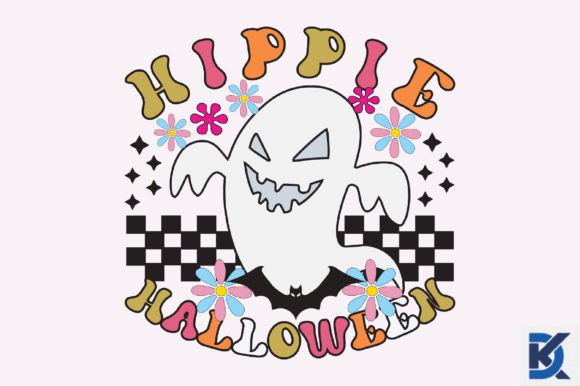
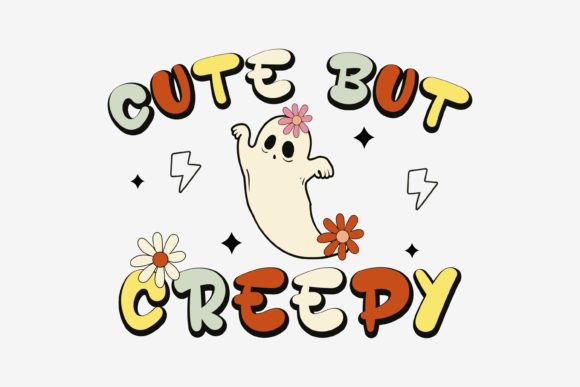
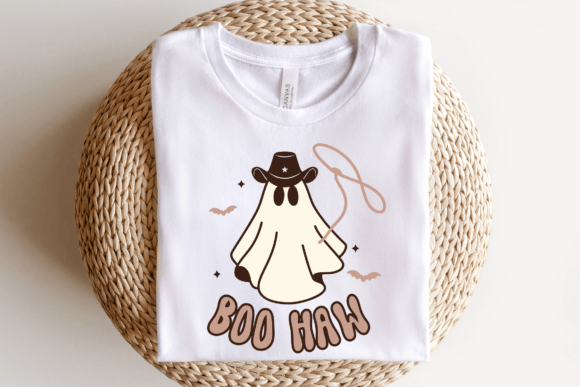
When you first open the files for Boo Haw, Halloween Svg, Retro Halloween, the immediate takeaway is the nostalgic vibe. Unlike the modern, hyper-detailed vector art that often gets lost in embroidery, this piece leans into a classic, slightly distressed aesthetic. It feels like something you might have seen on a vintage t-shirt from the 1980s. The typography is bold and playful, while the accompanying ghost illustrations add a whimsical touch that softens the spooky theme.
This design doesn't scream "scary"; it whispers "fun." That distinction is crucial for your finished product. If you are targeting families, nurseries, or those who prefer cute over creepy, this embroidery project hits the sweet spot. The layout is balanced, leaving enough negative space around the elements to ensure the design breathes once stitched. It avoids the common pitfall of overcrowding, which can make an embroidered patch look muddy or hard to read.
Real-World Application: From Screen to Stitch
I recently tested this design concept on a custom order for a small business owner who needed merchandise for a holiday craft fair. She wanted a line of tote bags and aprons that felt cohesive but not overly matchy-matchy. We decided to use the Boo Haw, Halloween Svg, Retro Halloween motif as the centerpiece for a collection of kitchen towels and cap sleeves.
In practice, the design held up remarkably well. On the canvas tote bags, the clean lines of the retro font translated perfectly into satin stitch, giving the text a crisp, professional finish. The ghost illustrations worked beautifully as fill stitches, allowing us to play with thread colors to create depth without losing definition. Because the original graphic has a clear structure, the machine didn't struggle with complex transitions. The result was a set of products that looked high-end and ready for retail shelves.
This versatility extends beyond bags. Imagine this design on a baby onesie for a Halloween party. The softer, rounded edges of the ghosts are perfect for delicate fabrics, and the message is charming rather than intimidating. For a sweatshirt, the retro style adds a layer of streetwear appeal that customers love. It transforms a standard garment into a statement piece that fits current trends in handmade fashion.
Navigating Technical Challenges
While the design is robust, no single file is a magic bullet for every situation. As an experienced designer, I need to be honest about where Boo Haw, Halloween Svg, Retro Halloween might face hurdles. If you are working with a very small hoop size, such as one intended for a baseball cap or a small hat, you will need to carefully evaluate the scale. The retro style relies on some letter spacing and detail in the ghost figures that could become indistinguishable if shrunk too much.
Textured fabrics present another consideration. While the design works well on smooth cotton twill or denim, applying it to a heavily textured fabric like bouclé or a thick fleece might obscure the finer details. In these cases, using a high-quality cutaway stabilizer is non-negotiable to prevent puckering and maintain the integrity of the stitch density. Similarly, if you are working with stretchy knits, you must ensure your stabilizer choice compensates for the movement of the fabric during the stitching process.
Dark fabrics require special attention to thread selection. The retro aesthetic often uses bright, contrasting colors, but if you are stitching this onto black or navy material, you might need to adjust the underlay or add a second pass of white thread to ensure the colors pop. Always test your color palette against the final fabric before committing to a large batch production run.
Strategic Use Cases for Your Craft Business
If you are an Etsy seller or a small shop owner, knowing where to place this design can significantly impact your sales. Here are a few scenarios where this machine embroidery design shines:
- Holiday Gifts: Personalized pillow covers or tea towels make excellent last-minute gifts. The retro theme appeals to adults who want to decorate their homes for the season without going overboard.
- Boutique Branding: Use the design on the tags or labels of your clothing line to create a signature look. Consistency in design assets builds brand recognition.
- Apparel Decor: Sweatshirts and hoodies featuring this design are perennial sellers during the fall months. The casual nature of the graphic makes it wearable for everyday occasions.
- Digital Product Previews: Even if you sell the digital file itself, creating mockups of the design on various products helps buyers visualize the potential outcome.
Designer Notes for Professional Results
Before you hit the start button on your embroidery machine, there are several critical steps to ensure your finished product meets professional standards. First and foremost, always test the design on scrap fabric that matches your final material. This allows you to check the thread color contrast and see how the satin stitch behaves on that specific texture.
Review the stitch density carefully. If the design appears too dense, it may cause the fabric to pucker or the threads to break. Conversely, if it is too sparse, the image may lack substance. Since the product description mentions compatibility with cutting machines like Cricut and Silhouette, remember that converting a cutting file for embroidery requires careful digitization. Ensure that any curves or sharp corners are optimized for needle movement to avoid thread breaks.
Don't forget to inspect small details. The ghost illustrations should remain distinct even after washing. If you plan to sell items commercially, confirm the licensing terms associated with the embroidery file. Some licenses allow for unlimited commercial use, while others restrict the number of units you can produce. Understanding these terms protects your business and ensures you are using design assets ethically.
Finally, consider the longevity of the product. Embroidery is known for durability, but poor technique can lead to premature wear. Use proper stabilizers to support the fabric, especially for items that will undergo frequent washing, like aprons or baby clothes. By paying attention to these technical details, you elevate the perceived value of your work.
In conclusion, Boo Haw, Halloween Svg, Retro Halloween is a versatile and charming addition to any crafter's library. Its retro personality offers a fresh take on seasonal decor, making it ideal for everything from personalized gifts to boutique merchandise. With the right preparation and attention to detail, this design can help you create stunning, high-quality projects that stand out in a crowded marketplace. Whether you are a hobbyist making a gift for a neighbor or a seasoned entrepreneur expanding your catalog, this piece offers a solid foundation for your next creative endeavor.