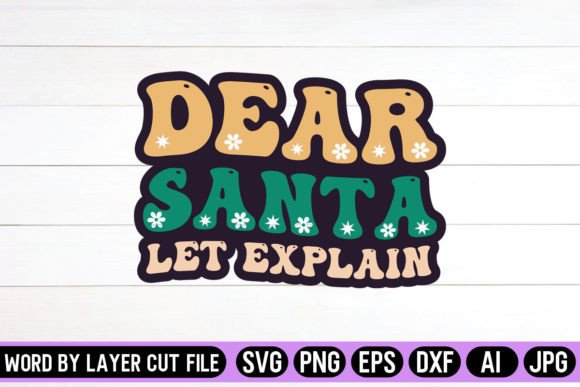
Dear Santa Let Explain SVG Retro Design
When I sit down to review a new digital asset for my embroidery studio, I am rarely looking for just another clipart file. As a designer who balances client deadlines with the creative chaos of running a small handmade shop, I need tools that translate seamlessly from screen to hoop. That is exactly where Dear Santa Let Explain SVG Retro Design catches my attention. It arrives not merely as a graphic, but as a complete package of design assets intended for serious crafters and commercial embroiderers alike.
The moment I unpacked the download, which includes one .zip file containing an Ai File, one SVG File Word By Layer Svg Files, 1 PNG File, 1 EPS File, and 1 DXF, I recognized the potential for high-impact projects. The "Word By Layer" feature in the SVG files is particularly compelling for designers who like to tweak text or adjust colors before committing to thread. However, the true test of any machine embroidery design is how it behaves under the needle, especially when dealing with complex lettering and retro aesthetics.
First Impressions: Mood and Visual Personality
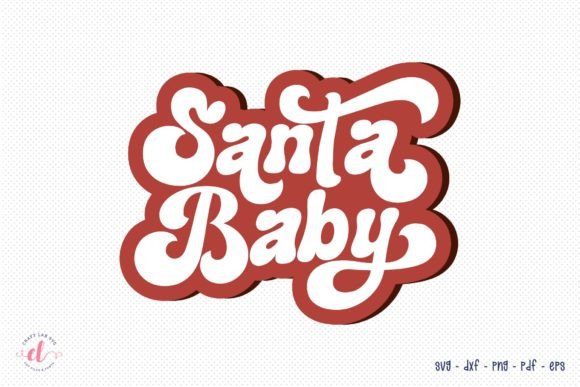
The phrase "Dear Santa Let Explain" immediately sets a tone that is both nostalgic and slightly humorous. In a market saturated with traditional Christmas motifs, this design offers a conversational hook. It feels less like a generic holiday greeting and more like a personality-driven statement piece. For a boutique owner or an Etsy seller, this distinction is crucial. Customers are drawn to products that feel personal and witty, rather than purely decorative.
The retro styling suggests a vintage print aesthetic, which pairs beautifully with textured fabrics like heavy cotton canvas or fleece. Visually, the layout appears balanced, but the challenge lies in execution. Text-heavy designs often suffer from legibility issues when stitched, particularly if the stitch density is too high or the font details are too fine. My initial assessment is that this design relies heavily on clean lines and bold shapes to maintain its charm, making it ideal for medium-sized applications where every letter can breathe.
Real-World Application: From Tote Bags to Baby Items
I envision this design thriving in specific niches within the handmade product market. One scenario that stands out is creating custom embroidered tote bags for holiday markets. The sturdy fabric of a canvas tote provides the perfect foundation for a dense, detailed design. Here, the Dear Santa Let Explain SVG Retro Design would serve as a focal point, perhaps centered on the front panel. The retro vibe complements the utilitarian nature of a tote bag, creating a product that feels both functional and fashionable.
Another strong use case is custom apparel, specifically sweatshirts and hoodies. The soft texture of French terry or fleece allows the satin stitches to pop without looking overly rigid. Imagine a crewneck sweatshirt featuring this design across the chest or on the back. It becomes a conversation starter, perfect for family matching outfits or festive office parties. The humor in the text adds a layer of relatability that customers appreciate, increasing the likelihood of social media shares and organic marketing for your craft business.
For those selling personalized gifts, this design works exceptionally well for baby items. A onesie or a burp cloth with this playful message adds a touch of modern whimsy to nursery decor. It bridges the gap between traditional holiday themes and contemporary parenting styles. Similarly, for kitchen towels or aprons, the design brings a lighthearted energy to the home, making it a great addition to holiday gift sets. The versatility of the included file formats means you can adapt the design for various sizes, ensuring it fits perfectly whether you are working on a small patch or a large pillow cover.
Technical Considerations and Stitch Quality
While the visual appeal is strong, practical embroidery requires careful technical planning. When digitizing or using pre-made files, stitch density is paramount. Designs with intricate lettering require sufficient spacing between stitches to prevent puckering, especially on stretchy fabrics. If you plan to use this on thin fabric or knit materials, you must ensure you are using the proper stabilizer to support the weight of the threads. Without adequate support, even the best design can look distorted after washing.
Thread color contrast is another critical factor. The retro theme likely calls for specific color palettes—perhaps deep reds, forest greens, or cream backgrounds against dark threads. Testing these combinations on scrap fabric first is non-negotiable. You need to verify that the text remains legible and that the fill stitches do not overwhelm the design. Additionally, inspecting the smaller details in the AI and EPS files before transferring them to your embroidery machine can help identify any potential weak points in the vector paths that might translate poorly into stitches.
Hoop size limitations also play a role. If you intend to place this design on curved surfaces like caps or hats, you will need to consider how the text wraps around the curve. Large, flat designs may not conform well to the rounded shape of a baseball cap, potentially causing distortion at the edges. In such cases, scaling down the design or adjusting the placement angle might be necessary to maintain professionalism.
Where to Exercise Caution
There are certain contexts where this design might not perform as well. Avoid using it on highly textured fabrics like bouclé or heavy tweeds, as the surface irregularities can obscure the finer details of the lettering. Similarly, on very dark fabrics, ensure that your thread choice provides enough contrast; otherwise, the retro elements may get lost in the background. For products that require frequent washing, such as dish towels or work aprons, confirm the durability of the stitches by testing wash cycles beforehand to prevent fraying or fading.
Value for Commercial Use and Brand Consistency
For the Etsy seller or small shop owner, the inclusion of multiple file formats (Ai, SVG, PNG, EPS, DXF) significantly enhances the value proposition. These design assets allow for flexibility in production and marketing. You can use the PNG for printable mockups to showcase your finished product online, while the SVG and DXF files streamline the actual embroidery process. This efficiency helps maintain brand consistency across your listings, ensuring that your digital previews accurately reflect the physical item.
Furthermore, the "Word By Layer" capability empowers you to customize the design for different clients. Perhaps a customer wants a slight variation in the wording or color scheme. Having editable layers means you can offer personalized services without needing to recreate the entire design from scratch. This adaptability is a key driver of customer trust and engagement, as it shows a commitment to quality and customization.
Ultimately, Dear Santa Let Explain SVG Retro Design is more than just a holiday motif; it is a versatile tool for creative entrepreneurs. It balances aesthetic appeal with practical utility, making it suitable for a wide range of embroidery projects. Whether you are crafting personalized gifts, expanding your custom apparel line, or adding unique touches to home decor, this design offers the professional polish needed to stand out in a crowded marketplace. Just remember to test thoroughly, respect the limits of your materials, and let the retro charm speak for itself.