Peace on Earth Retro Christmas Svg Review
As a designer who spends more time staring at stitch lines and fabric grain than I care to admit, I approach every new embroidery file with a healthy dose of skepticism. The market is flooded with generic holiday assets, but finding something that balances nostalgic charm with technical viability for actual production is rare. That is why I decided to put the Peace on Earth Retro Christmas Svg through its paces. This isn’t just about how it looks in a digital preview; it is about how it behaves when the needle hits the thread, how it translates to a physical handmade product, and whether it will hold up in the real world.
The First Impression: Mood and Visual Personality
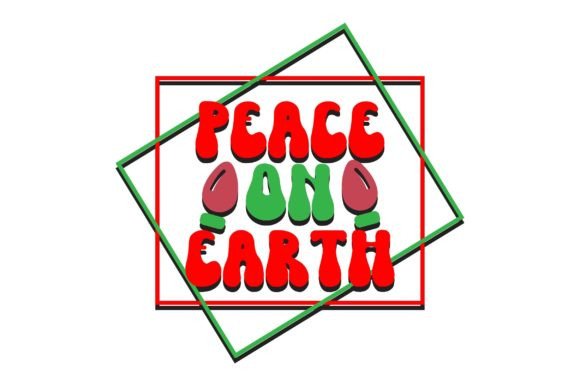
When you first load this design into your digitizing software or preview window, the immediate takeaway is warmth. The "retro" aspect isn’t just a buzzword here; the layout evokes a mid-century modern aesthetic that feels both cozy and polished. It avoids the cluttered, overly busy look that plagues many seasonal designs. Instead, it offers a clean visual hierarchy that suggests intentionality.
For an embroidery designer, this clarity is crucial. A machine embroidery design needs to breathe. If the elements are too cramped, the stitches compete with each other, resulting in a muddy final image. The Peace on Earth Retro Christmas Svg seems to understand this balance. It creates a mood that is festive without being loud, making it versatile enough for various applications. It feels like the kind of design that doesn’t need shouting to be noticed—it relies on strong composition and classic styling. This makes it particularly appealing for boutique branding where subtlety often sells better than flashiness.
Real-World Application: From Screen to Stitch
Let’s talk about where this design actually lives. I have been testing concepts for a small batch of custom apparel and gifts, and this SVG fits naturally into several high-demand categories. Imagine a soft, heather-grey sweatshirt featuring this retro motif centered on the chest. The vintage vibe pairs perfectly with the texture of fleece or heavy cotton blends, creating a sweatshirt embroidery piece that feels timeless rather than trendy.
But it isn’t limited to outerwear. I also visualized this design on a sturdy canvas tote bag. As a tote bag design, it serves as both a functional accessory and a statement piece. The retro theme resonates strongly with the eco-conscious crafter crowd, making it a perfect fit for an Etsy seller looking to tap into the sustainable gift market. Furthermore, its clean lines make it an excellent candidate for an embroidered patch. Whether attached to a denim jacket or a backpack, the distinct shape holds its own, offering a professional finish that elevates the perceived value of the item.
I also considered smaller, more intimate projects. A baby onesie or a nursery pillow cover could benefit from the gentle, non-aggressive nature of this design. It works well as baby embroidery because it is recognizable yet soothing. For holiday embroidery gifts, such as monogrammed kitchen towels or aprons, the "Peace on Earth" message adds a sentimental layer that buyers love. It transforms a simple utility item into a personalized gift that carries emotional weight.
Technical Considerations and Fabric Compatibility
While the visual appeal is strong, any experienced designer knows that aesthetics mean nothing if the execution fails. When evaluating this digital embroidery file, we must consider the practicalities of stitching. The retro style often relies on bold shapes and clear typography. In terms of stitch density, you want to ensure that the fill areas are not so dense that they create a stiff, cardboard-like feel on the garment. Conversely, if the design relies heavily on satin stitch for outlines, those edges need to be crisp to maintain the vintage look.
Fabric choice plays a massive role here. This design will shine on stable, medium-weight fabrics like cotton twill, felt, or structured polyester blends. These materials provide the necessary support for the stabilizer to do its job, preventing puckering. However, caution is advised with certain materials. Avoid using this on highly textured fabrics like chunky wools or bouclé, as the needle may struggle to penetrate evenly, leading to skipped stitches. Similarly, thin or stretchy knits can distort the design unless a heavy-duty cut-away stabilizer is used correctly.
Color contrast is another critical factor. Since this is a graphics asset intended for sublimation and printing as well, you must ensure that your thread colors pop against your chosen fabric. On dark fabrics, you will likely need a underlay or a light-colored base layer to prevent the threads from disappearing into the material. Always test your thread colors on scrap fabric before committing to the final finished product.
Where to Exercise Caution
Not every surface is created equal. While this design is versatile, there are specific scenarios where it might struggle:
- Small Hoop Sizes: If you attempt to digitize or embroider this on a very small hoop (under 4x4 inches), you risk losing detail. Tiny lettering or intricate corners may become illegible or merge together.
- Curved Surfaces: Applying this to a curved cap or hat requires advanced tension management. The retro layout may appear distorted if the fabric stretches unevenly during the stitching process.
- Dense Stitch Areas: If the original vector contains complex shading or tiny details, converting this to a machine design might result in excessive bulk. It is wise to simplify the design by removing unnecessary decorative accents that do not contribute to the overall message.
- Frequent Washing: For items like tea towels or aprons that undergo frequent laundering, ensure the design has a secure border or backing to prevent fraying over time.
Designer’s Checklist for Success
Before adding this to your inventory or starting your next craft business project, follow these practical steps to ensure a professional outcome:
- Test on Scrap: Never skip the scrap fabric test. It reveals issues with tension, stability, and color blending that digital previews cannot show.
- Check Licensing: If you plan to sell finished items or distribute this as a design asset, verify the commercial use rights. Ensure you have the proper license for commercial embroidery.
- Review Stitch Types: Analyze the breakdown of running stitch, fill stitch, and satin elements. Adjust the density settings in your software to optimize for your specific machine and thread type.
- Mockup Visually: Create black-and-white mockups to check the silhouette. Does the shape read clearly? Does the text remain legible? This helps assess the design’s impact independent of color.
- Compare Backgrounds: Test the design on both light and dark backgrounds to ensure versatility. A good embroidery project should look balanced regardless of the substrate.
Final Verdict
The Peace on Earth Retro Christmas Svg is a thoughtful addition to any designer’s library. It bridges the gap between artistic expression and commercial viability. Its retro charm appeals to customers seeking authenticity, while its clean structure supports reliable production. Whether you are creating a one-off personalized gift for a loved one or scaling up a line of small shop products for the holiday season, this design offers a solid foundation.
It is not a magic bullet that solves all digitizing challenges, but it is a well-crafted starting point. By paying attention to fabric selection, stabilization, and thread choices, you can transform this vector graphic into a stunning tactile experience. For the savvy creative entrepreneur, it represents an opportunity to offer high-quality, meaningful merchandise that stands out in a crowded marketplace. Just remember: the best embroidery comes from respecting the medium. Test thoroughly, stitch carefully, and let the design speak for itself.