Halloween Svg, Retro Halloween Svg Review for Embroidery
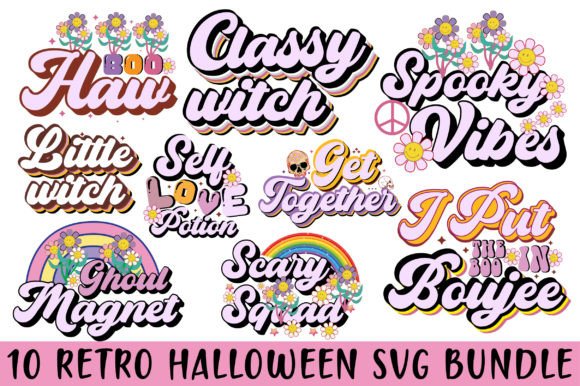
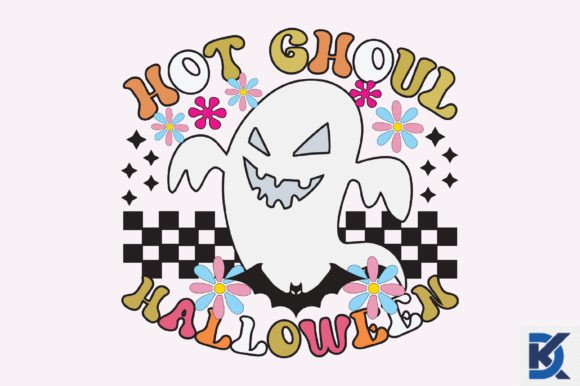
When I first opened the folder labeled Halloween Svg, Retro Halloween Svg, my immediate thought wasn't about the file format or the compatibility list. It was about the mood. There is a distinct difference between a generic spooky graphic and one that carries a specific aesthetic personality. This design hits that sweet spot of vintage nostalgia mixed with modern cuteness, creating a visual vibe that feels warm rather than terrifying. For an embroidery designer, that distinction is everything because it dictates how the final stitched product will be perceived by a customer walking into a boutique or browsing an Etsy shop.
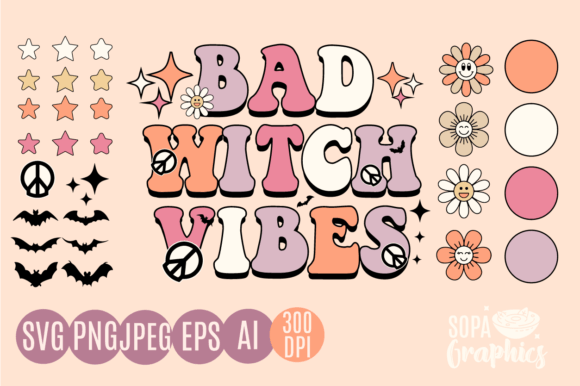
The description mentions these are suitable for machines like Cricut and Silhouette, which is true for cutting applications, but as someone who specializes in converting digital assets into tactile machine embroidery design projects, I had to look closer at how this translates to thread. The retro style implies clean lines and perhaps a slightly simplified color palette, which is excellent news for stitching clarity. In the world of embroidery file conversion, less is often more when it comes to maintaining the integrity of the original art.
Real-World Application: From Screen to Stitch
Let's imagine a real scenario. You are preparing inventory for a local craft fair or updating your online store for the upcoming holiday season. You need a centerpiece piece that screams "autumn vibes" without looking cheap or overly complex. I decided to test the Halloween Svg, Retro Halloween Svg on a custom embroidered tote bag project. The goal was to create a high-quality, reusable gift item that customers would actually want to keep.
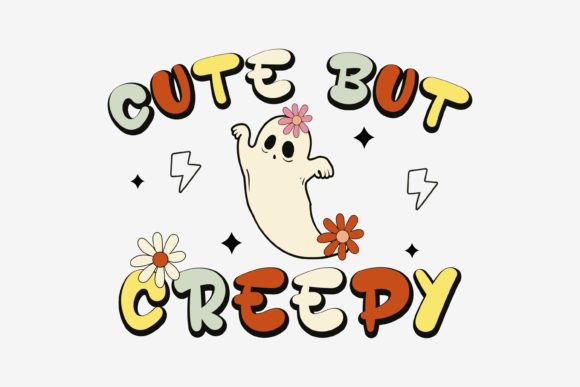
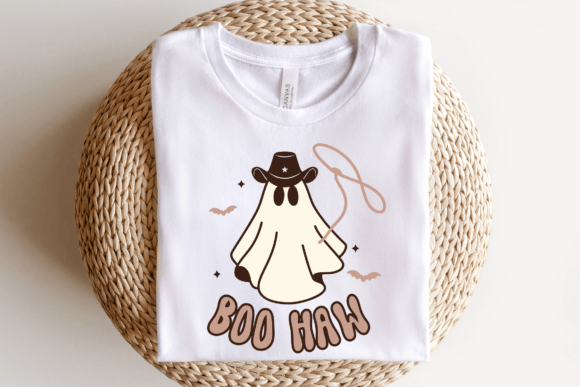
The ghost illustrations mentioned in the product details are perfect candidates for satin stitch work. They offer rounded shapes that allow the thread to lay smoothly, reducing the risk of puckering that often plagues angular designs. When I mocked up the placement on a canvas tote, the layout felt balanced. It didn't scream for attention; instead, it invited the eye to linger. This kind of subtle visual appeal is crucial for handmade product branding. Customers today are savvy; they can tell the difference between a mass-produced sticker slapped onto a bag and a carefully executed embroidered patch or direct-to-garment application.
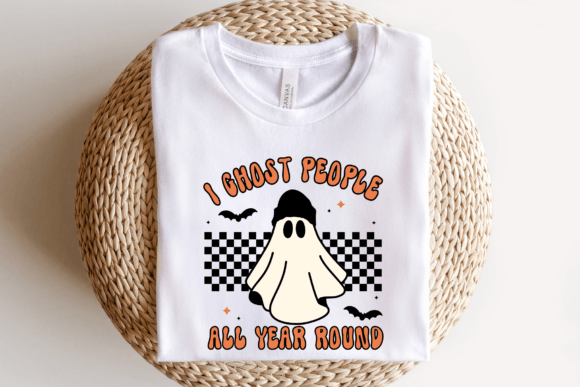
I also considered using this design for a sweatshirt embroidery project. The retro aesthetic pairs beautifully with heather gray or muted olive fabrics, offering a sophisticated twist on traditional Halloween colors. However, the success of this embroidery project depends heavily on the execution. If you plan to use this for custom apparel, you must ensure the stitch density matches the fabric weight. A heavy fleece requires a different approach than a lightweight cotton tee. The design itself is versatile enough to handle both, provided you adjust the underlay and tension settings correctly.
Navigating Fabric Challenges and Limitations
No design is a magic bullet, and Halloween Svg, Retro Halloween Svg has its limitations depending on where you intend to place it. One area where I would exercise extreme caution is small hoop sizes. While the overall shape might be compact, if the design includes tiny lettering or intricate details within the ghost illustrations, shrinking it down for a baby onesie or a hat brim could result in lost definition. Thread thickness plays a massive role here; a fine detail that looks crisp on screen might disappear once converted to fill stitch.
Textured fabrics present another hurdle. If you are working with a boucle sweater or a rough linen, the stability of the stitches becomes a concern. The Halloween Svg, Retro Halloween Svg relies on smooth surfaces to maintain its retro charm. On a highly textured background, the design might get lost in the weave of the material. Similarly, stretchy fabrics like jersey require a stabilizer strategy that goes beyond standard tear-away. Without proper support, the running stitch or outline elements could distort during wear, ruining the professional look of the finished item.
Dense stitch areas are also something to watch. If the design features large blocks of color intended to be filled completely, ensure your machine can handle the thread load without breaking needles or causing excessive friction heat. For products that need frequent washing, such as kitchen towels or aprons, the durability of the stitch is paramount. A design that looks beautiful initially but frays after three washes will damage your reputation as a small shop product creator. Always test the washability of your thread choices against the fabric type before putting them on the market.
Visual Appeal and Brand Consistency
In the competitive landscape of Etsy seller and craft business markets, presentation is half the battle. The Halloween Svg, Retro Halloween Svg offers a level of professionalism that elevates a simple craft into a branded asset. When you display this design in a printable mockup, it conveys a sense of care and attention to detail that buyers appreciate. It signals that you understand design principles, not just how to run a machine.
This design fits naturally into holiday embroidery collections, nursery decor, and even personalized gifts. The retro theme allows it to cross over into other seasons if styled correctly, making it a versatile asset for digital product sellers. However, consistency is key. If your brand voice is modern and minimal, a busy retro design might feel out of place. But if your brand leans towards cozy, nostalgic, and artisanal, this design is a perfect match. It helps build customer trust because the visual language remains consistent across all your offerings, from the initial design assets to the final finished product.
Essential Designer Notes for Success
Before you commit to a production run or start selling this design as part of your commercial embroidery services, there are several practical steps you must take. First, always test the design on scrap fabric. This is non-negotiable. You need to see how the thread colors interact with the specific fabric texture you plan to use. A color that pops on a white background might vanish on a dark navy shirt, so review your embroidery project in black and white mockups to check contrast levels.
Confirm your hoop size limits early. Ensure the design fits comfortably within your machine's maximum reach without requiring awkward repositioning that could lead to registration errors. Inspect small details closely; sometimes what looks like a single line on a screen splits into multiple paths when digitized, leading to unnecessary complexity. Check whether the design works for both personal and commercial projects by reviewing the license terms provided by the creator. Many designers sell Graphics for personal use only, and violating these terms can lead to serious legal issues for creative entrepreneurs.
Finally, consider the user experience. Are you selling the digital file or the physical item? If you are selling the embroidery file itself, provide clear instructions on stabilizer types and thread recommendations. If you are selling the handmade product, ensure the final touch-up is flawless. The Halloween Svg, Retro Halloween Svg is a strong candidate for a variety of uses, from tote bag design to baby embroidery, but its success lies in your hands. By approaching it with a critical eye and a focus on technical precision, you can turn a simple digital download into a standout piece of embroidery art that delights clients and boosts your brand consistency.
In conclusion, this design brings a unique energy to the table. It is not just a collection of spooky shapes; it is a cohesive aesthetic that, when executed well, creates a tangible connection with the wearer. Whether you are decorating a cap, creating a pillow cover, or launching a new line of small business merchandise, keeping these practical considerations in mind will ensure your finished product stands out in a crowded market.