Retro Gobble Svg Review: A Designer’s Take on Stitching Clarity
When I first pulled up the Retro Gobble Svg file to evaluate it for a potential holiday collection, my immediate reaction was one of cautious optimism. As an embroidery designer who has stitched thousands of designs across various fabrics and machine types, I know that a trendy graphic on a screen does not always translate seamlessly into thread. The difference between a design that looks charming in a digital preview and one that holds up under the tension of an embroidery hoop is often found in the details—the curve of a line, the balance of negative space, and the overall visual weight.
This review isn’t just about aesthetics; it’s about practical application. I am looking at this embroidery project from the perspective of someone who needs reliable assets for their craft business, whether that means selling finished goods on Etsy, creating custom apparel for local clients, or producing quick personalized gifts for friends. Let’s break down how the Retro Gobble Svg performs when we move from the digital workspace to the physical stitch.
First Impressions and Visual Personality
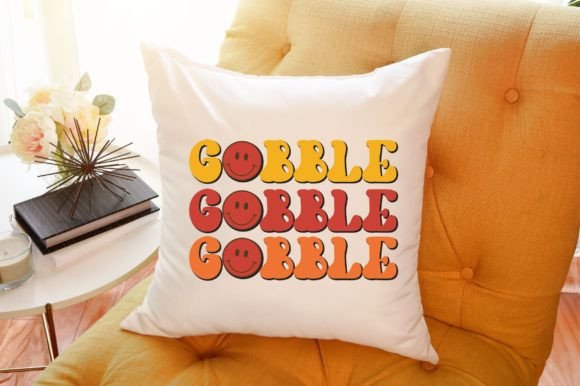
The moment you open the vector files, the retro aesthetic is unmistakable. The design leans heavily into vintage typography styles and perhaps some stylized graphical elements associated with Thanksgiving or autumn harvest themes. For a designer, "retro" can be a double-edged sword. If executed poorly, it can look dated rather than nostalgic. However, the Retro Gobble Svg seems to strike a balance that feels playful without being cluttered.
The mood it creates is warm, inviting, and slightly whimsical. This is crucial for holiday embroidery projects where customers are looking for something that feels handmade and heartfelt rather than mass-produced. The visual personality suggests it would fit perfectly on soft, textured fabrics like heather grey sweatshirts, natural canvas tote bags, or cream-colored tea towels. It doesn’t scream for attention; instead, it invites a closer look, which is exactly what you want in a handmade product that aims to build brand consistency and customer trust.
Real-World Application: From Screen to Stitch
To truly understand the value of this digital embroidery file, I imagined using it in three distinct scenarios common to small shop owners and hobbyists alike.
Scenario 1: The Custom Tote Bag
Imagine preparing a batch of canvas tote bags for a fall craft fair. You need a design that is legible from a distance but detailed enough to reward a closer inspection. The Retro Gobble Svg works well here because its bold lines likely cut through the rough texture of canvas effectively. When paired with contrasting thread colors—perhaps mustard yellow or burnt orange against a navy bag—it pops without overwhelming the fabric. This type of tote bag design is a staple for Etsy sellers looking for high-margin, low-complexity items.
Scenario 2: Baby Apparel and Nursery Decor
Another angle is personalization for new parents. Embroidering this onto a onesie or a burp cloth requires precision. Because the design appears to have clean shapes, it translates well to smaller hoop sizes. Parents love subtle yet thematic designs for baby embroidery. The retro style adds a touch of personality that stands out from the typical pastel florals often seen in nursery decor. It elevates the finished product from a simple gift to a curated boutique item.
Scenario 3: Kitchen Textiles
Tea towels and aprons are another natural home for this design. The durability of the stitches is key here, as these items will undergo frequent washing. A well-balanced machine embroidery design like this one, assuming proper digitizing, should hold up well to laundry cycles without puckering the fabric. It adds a functional piece of art to the kitchen, increasing the perceived value of the small shop product.
Technical Considerations and Potential Pitfalls
No design is perfect, and knowing where a design might struggle is just as important as knowing where it shines. Here are the areas where you need to exercise caution when working with the Retro Gobble Svg.
- Hoop Size Constraints: If the design includes intricate lettering or very fine decorative accents, you must ensure your hoop size is large enough. Small hoops can cause distortion in complex curves. Always check the bounding box dimensions before setting up your machine.
- Fabric Texture: While this design looks good on smooth cottons, it may get lost on highly textured fabrics like chunky knits or bouclé. The fabric texture can interfere with the clarity of the stitches, making the retro details appear muddy. Stick to tighter weaves for the best results.
- Stitch Density: Although exact stitch counts aren't provided in the listing, you should inspect the density settings. If the fill stitch areas are too dense, they can create a stiff, board-like feel on garments like sweatshirt embroidery. Conversely, if they are too sparse, the backing material might show through. Test on scrap fabric to find the sweet spot.
- Curved Surfaces: Attempting to embroider this on caps or hats requires careful stabilization. Curved surfaces can distort straight lines, so use appropriate formers and stabilizers to maintain the integrity of the retro shapes.
Designer’s Checklist for Success
Before committing to a full production run or selling this as part of your commercial embroidery inventory, follow these practical steps to ensure quality control.
- Test on Scrap Fabric: Never skip this step. Run the design on the actual fabric you plan to sell or use. Check for any misalignment or thread breaks.
- Check Thread Contrast: The success of a graphics-heavy design often relies on contrast. Ensure your chosen thread colors stand out against your base fabric. Light threads on dark fabric (or vice versa) usually yield the clearest result.
- Review Stitch Types: Look closely at the digitizing. Does it use a mix of satin stitch, running stitch, and fill stitch appropriately? A good mix adds texture and visual interest. If the design relies too heavily on one stitch type, it may look flat.
- Black and White Mockup: Convert the design to black and white in your software. This helps you see the true shape and balance of the artwork without the distraction of color. If the silhouette is weak, no amount of thread color will fix it.
- Confirm Licensing: Since this is a digital product sold as a file only, verify the commercial use rights. Can you sell the finished embroidered items? Are there restrictions on the number of units? Clear licensing protects your craft business from legal issues.
Final Verdict
The Retro Gobble Svg is a solid addition to any designer’s library for seasonal work. It captures the essence of retro style while remaining versatile enough for various applications, from custom apparel to personalized gifts. Its strength lies in its clear visual hierarchy and broad appeal, making it a safe bet for small business merchandise during the fall and winter months.
However, remember that the file is just the starting point. Your skill in choosing fabrics, managing stabilizer types, and selecting complementary thread colors will ultimately determine the quality of the embroidery project. By testing thoroughly and understanding the limitations of the design, you can transform this simple vector file into a professional, market-ready handmade product that delights customers and builds your reputation as a thoughtful creator.
If you are looking for a design that balances nostalgia with modern simplicity, this applique design or standard embroidery file offers great potential. Just take the time to prep your materials correctly, and you’ll likely find it becomes a go-to asset for your upcoming holiday collections.